Description
At VG Limited, we supply high-quality Tanzanian soybean meal – a premium protein source produced as a by-product of soybean oil extraction. Sourced from Tanzania’s growing agricultural processing sector, our soybean meal is known for its high protein content (45–48%), low moisture, excellent amino acid profile, and consistent quality. It is ideal for poultry, swine, dairy cattle, beef cattle, aquaculture, and pet food formulations.
What is Soybean Meal?
Soybean meal is the by-product remaining after the extraction of soybean oil from high-quality soybeans . Through a solvent-extraction process, the oil is removed, leaving a protein-dense meal that is then toasted and ground. This process reduces the oil content to typically below 2% while concentrating the protein content to 45–48%, making it the gold standard protein source for animal feed worldwide . Our soybean meal comes from traceable supply chains and is processed in Tanzania under strict quality control measures.
Product Specifications (Animal Feed Grade)
Based on international export standards and typical Tanzanian production specifications:
| Parameter | Specification |
|---|---|
| Product Type | Solvent-Extracted Soybean Meal – Toasted |
| Origin | Tanzania |
| Protein (Crude) | 45% – 48% (minimum 45%) |
| Moisture | ≤ 11% |
| Fat (Oil) | ≤ 2% |
| Crude Fiber | ≤ 6% |
| Ash | ≤ 6% |
| Urease Activity | 0.02 – 0.20 mg N/g/min |
| Protein Dispersibility Index (PDI) | 15 – 25 |
| KOH Protein Solubility | 73% – 85% |
| Foreign Matter | ≤ 0.5% |
| Aflatoxin (Total) | ≤ 20 ppb (≤ 10 ppb available) |
| Salmonella | Negative / 25g |
| E. coli | Negative |
| Appearance | Light brown to tan granules or powder |
| Odor | Fresh, toasted soybean aroma – no mustiness or rancidity |
✅ Solvent-extracted & toasted – optimal protein digestibility
✅ Low urease activity – properly processed, safe for monogastric animals
✅ Lab tested for aflatoxin & microbiological contaminants
✅ GMO-free available upon request
✅ Organic certification available upon request
Nutritional Composition
| Nutrient | Percentage | Role in Animal Nutrition |
|---|---|---|
| Crude Protein | 45 – 48% | Muscle development, egg/milk production, growth |
| Lysine | 2.8 – 3.0% | Essential amino acid – critical for swine and poultry |
| Methionine | 0.6 – 0.7% | Essential amino acid – feather development |
| Threonine | 1.7 – 1.9% | Essential amino acid – gut health |
| Crude Fiber | 3 – 6% | Digestive health (low enough for monogastrics) |
| Calcium | 0.2 – 0.3% | Bone development |
| Phosphorus (Total) | 0.6 – 0.7% | Energy metabolism, bone health |
| Phosphorus (Available) | 0.2 – 0.25% | Bioavailable phosphorus |
Product Features
-
High protein content (45–48%) – most concentrated plant protein source for feed
-
Excellent amino acid profile – rich in lysine, methionine, and threonine
-
Low fiber (≤6%) – highly digestible for monogastric animals (poultry, swine)
-
Properly processed – low urease activity ensures anti-nutritional factors are destroyed
-
Low moisture (≤11%) – safe for long-term storage and transit
-
Aflatoxin controlled – tested to ≤20 ppb (≤10 ppb available for premium markets)
-
Consistent quality – batch-to-batch uniformity
-
Versatile applications – all livestock, poultry, and aquaculture
Benefits by Livestock Type
| Livestock | Benefits of Soybean Meal |
|---|---|
| Broilers | Rapid growth, breast meat yield, feather development |
| Laying Hens | Egg production, egg size, shell quality |
| Swine (Pigs) | Lean muscle development, growth rate, feed conversion |
| Dairy Cattle | Milk production, milk protein content – excellent bypass protein source |
| Beef Cattle | Weight gain, carcass quality |
| Aquaculture | Growth rate, feed efficiency – essential amino acids for fish/shrimp |
| Pet Food | High-quality protein for dogs and cats |
According to research conducted in Tanzania, soybean meal (SBM) significantly improves growth performance in livestock compared to alternative protein sources, with SBM and sunflower seed cake delivering superior average daily gain compared to other plant protein sources .
Packaging for International Export
Primary Packaging Options
-
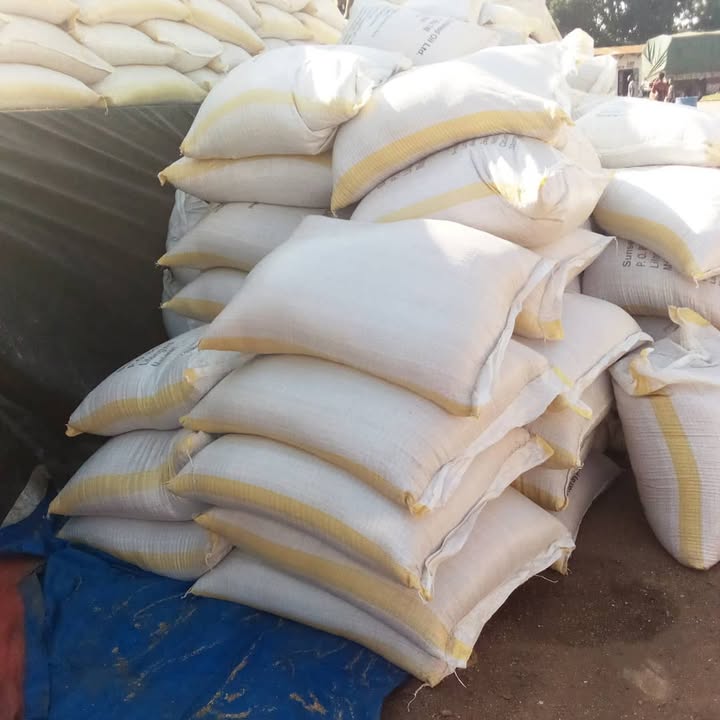
PP woven bags with inner food-grade PE liner (recommended – most common)
-
Multilayer kraft paper bags with PE liner (premium)
-
Jute bags (traditional, upon request)
-
Bulk in container – using food-grade container liner (most economical for large orders)
Standard Pack Sizes
| Pack Type | Net Weight | Best For |
|---|---|---|
| PP woven bag | 25 kg | Easy handling, retail distribution |
| PP woven bag | 50 kg | Bulk animal feed buyers |
| Kraft paper bag | 25 kg | Premium presentation |
| Jute bag | 50 kg | Traditional markets |
| Bulk (loose) | Full container | Large-scale feed mills |
Custom Packaging Options
| Option | Description |
|---|---|
| Custom bagging | 5 kg, 10 kg, 15 kg, 20 kg available upon request |
| Private labeling | Your brand on bags (for qualified bulk orders) |
| Container liner | Food-grade poly liner for bulk shipments |
Labeling Details
Each package includes:
-
Product: Soybean Meal – Animal Feed Grade
-
Origin: Tanzania
-
Protein content (min 45%)
-
Grade & batch number
-
Net weight & gross weight
-
Production date & best before (12 months)
-
“For Animal Feed Use Only”
-
Storage instructions
-
Aflatoxin level
Shipping Container Specifications
Incoterms available: FOB Dar es Salaam Port / CIF any major global port
Port of Loading
-
Dar es Salaam Port, Tanzania (primary)
-
Alternative ports available upon request
Container Loading Capacity
| Container Type | Quantity (approx.) | Packing Mode |
|---|---|---|
| 20 ft GP | 440–460 bags (11–11.5 MT) | 25 kg bags |
| 20 ft GP | 440–460 bags (22–23 MT) | 50 kg bags |
| 20 ft GP (bulk) | 20–21 MT | Container liner |
| 40 ft GP | 900–920 bags (22.5–23 MT) | 25 kg bags |
| 40 ft GP | 880–900 bags (44–45 MT) | 50 kg bags |
Note: 20 ft GP max weight for bagged soybean meal is 22–23 MT due to cargo density.
Container Technical Specifications
| Feature | Detail |
|---|---|
| Container Type | Dry van, food-grade, clean, dry & odor-free |
| Container Inspection | Pre-loading cleanliness check – no residues, no pests, no moisture |
| Container Liner | Recommended – food-grade poly liner for moisture protection |
| Ventilation | Closed vents (prevent moisture ingress) |
| Fumigation | Pre-shipment as required – ISPM 15 compliant |
| Temperature | Ambient (10–25°C recommended; avoid >30°C) |
| Palletization | Optional – wood pallets (ISPM 15 heat-treated) or plastic pallets |
| Stowage | Uniform stacking; avoid overloading to prevent bag breakage |
Container Environment Requirements
| Parameter | Requirement | Why It Matters |
|---|---|---|
| Temperature | 10°C – 25°C | Prevents protein degradation and rancidity |
| Relative Humidity | < 60% | Prevents mold growth and spoilage |
| Pre-trip Inspection | No condensation, no rodent/insect signs | Ensures cargo safety |
| Avoid | Strong-smelling cargo (chemicals, fishmeal, spices) | Soybean meal absorbs odors easily |
Stowage Factor
-
Bagged soybean meal: approx. 1.5 – 1.8 m³ per metric ton
-
Bulk soybean meal: approx. 1.7 – 2.0 m³ per metric ton
Shipping Documents Included
-
Commercial Invoice & Packing List
-
Bill of Lading (negotiable or direct)
-
Phytosanitary Certificate (Tanzania Plant Health Authority)
-
Certificate of Origin (Tanzania Chamber of Commerce)
-
Fumigation Certificate
-
Certificate of Analysis (moisture, protein, fiber, fat, ash, urease activity, aflatoxin)
-
Weight Certificate
-
Animal Feed Declaration (stating product is for feed use only)
-
All necessary export documentation provided
-
Optional: SGS / Bureau Veritas / Intertek inspection report
-
Optional: Non-GMO Certificate
-
Optional: Organic Certificate
Why Choose VG Limited for Tanzanian Soybean Meal?
-
Premium protein source – 45–48% protein, solvent-extracted and toasted
-
Properly processed – low urease activity ensures optimal digestibility
-
Aflatoxin controlled – tested to international standards
-
Strict quality control – lab tested at every stage from sourcing to packaging
-
Competitive pricing – regular container load shipments
-
Flexible MOQ – 5 MT for trial orders; 20 ft container for bulk
-
Full compliance with international animal feed import standards
-
Reliable logistics from Dar es Salaam port to global destinations
-
Samples available upon request to verify product quality
-
Lead time – 15–21 days after payment confirmation